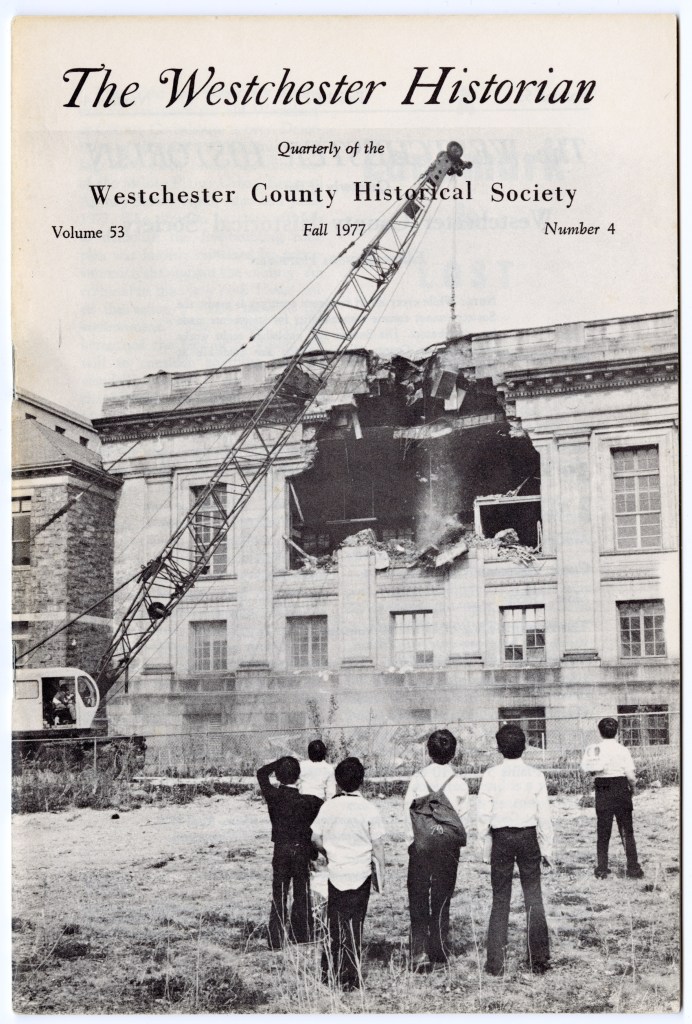
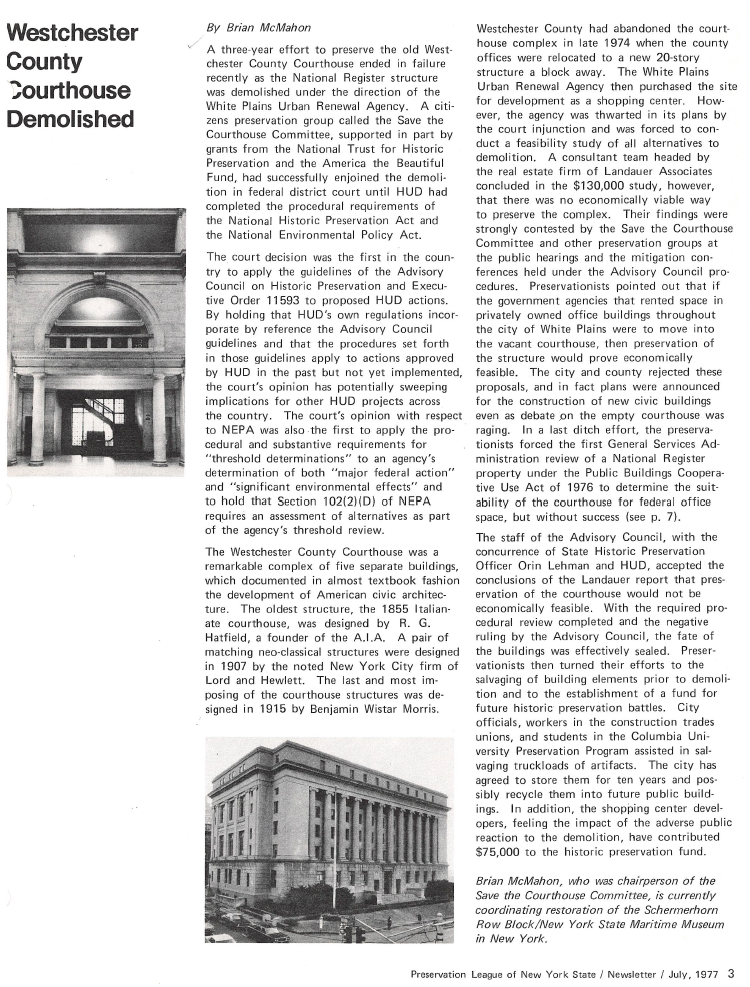
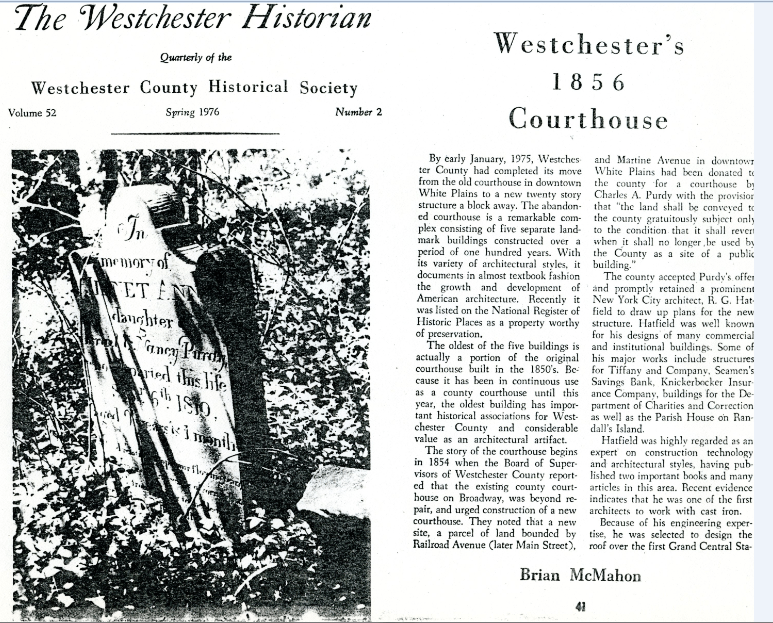
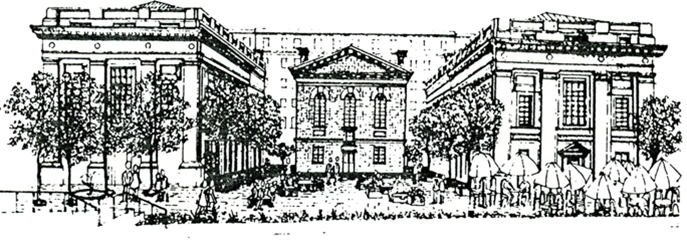
Westchester County (NY) Courthouse, White Plains, N.Y. This historic courthouse complex consisted of three buildings constructed over a fifty-year period. After the County built a new courthouse, the old courthouse was acquired by the White Plains Urban Renewal Agency which planned to demolish it. McMahon did extensive research on the buildings and published several articles. He organized the Save the Courthouse Committee which succeeded in having the complex listed on the National Register. White Plains, working with the U.S. Department of Housing and Urban Development, continued with plans for demolition, prompting the Committee to file a lawsuit in federal court. The court enjoined the demolition and required HUD to comply with the National Historic Preservation Act and the National Environmental Policy Act. This was the first decision in the country to apply the guidelines of the Advisory Council on Historic Preservation and Executive Order 11593 to a proposed HUD action. The resultant Environmental Impact Statement (EIS,) undertaken by noted architect Harmon Goldstone, showed promising options and alternatives, but after completing the required EIS, the city demolished the courthouse to make way for a shopping center.


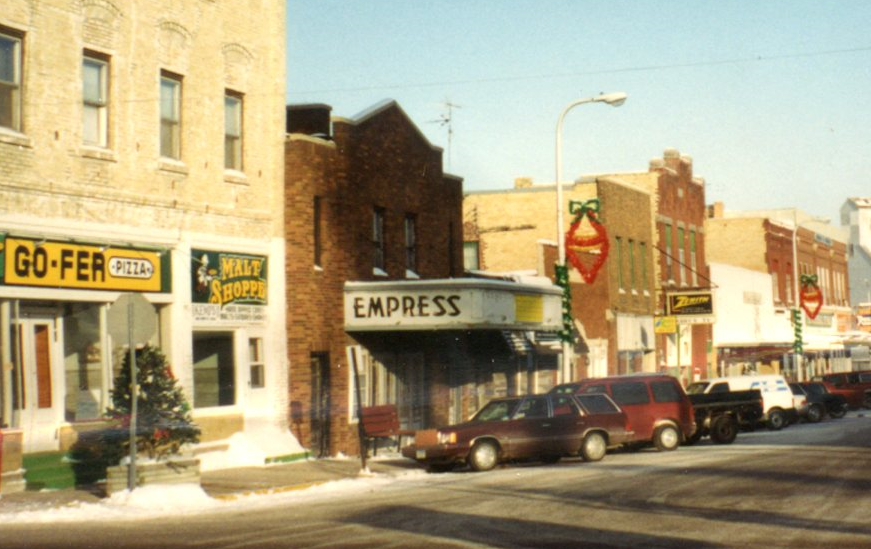
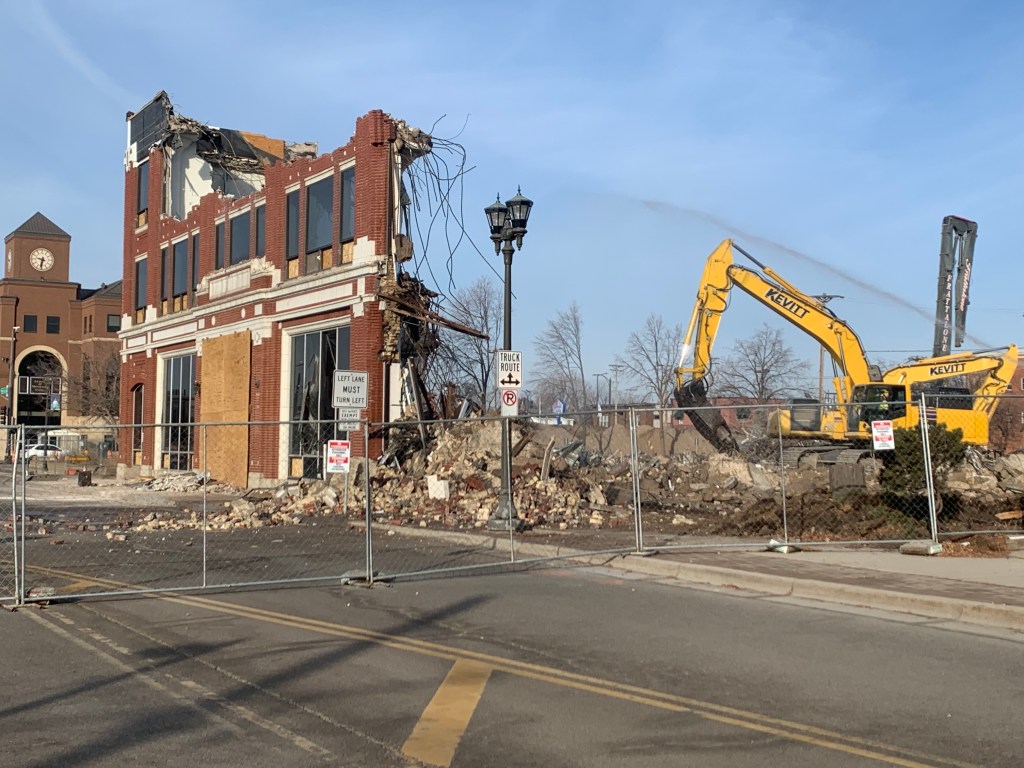
Empress Theater, Osakis, MN. This old movie theater stood in the middle of the main commercial block in Osakis. It was vacant for a number of years and left to deteriorate. Given its important location in the heart of the small resort town, and its historic use as a community gathering place, McMahon proposed that it be renovated and repurposed. Seeing little interest from civic leaders, McMahon filed a lawsuit which was quickly dismissed. The building was demolished, leaving a gaping hole in the streetscape for the past twenty years.

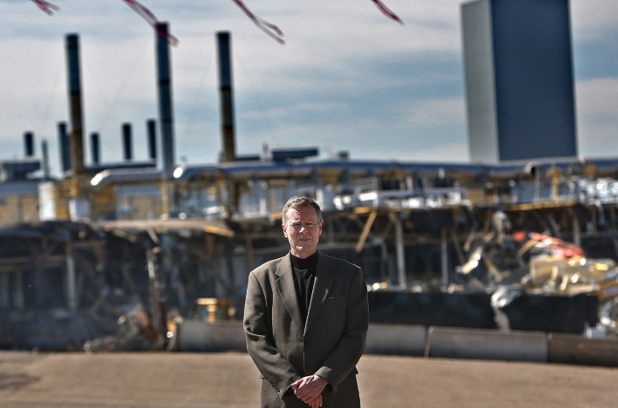
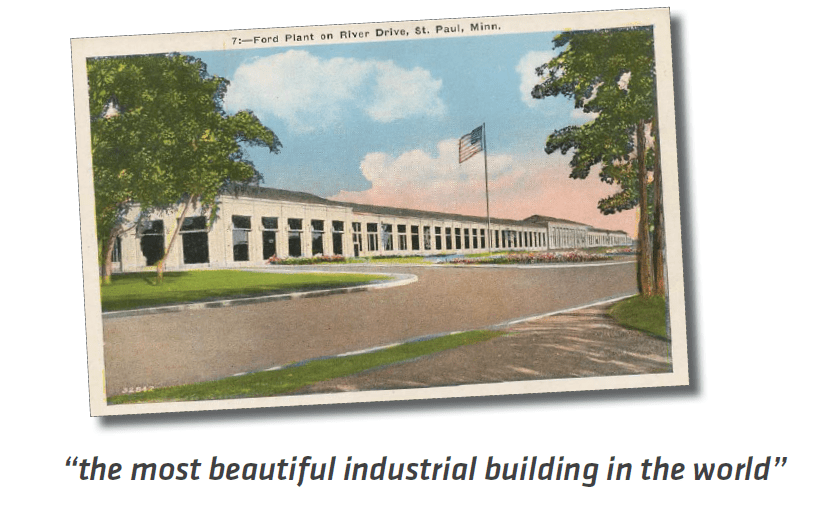
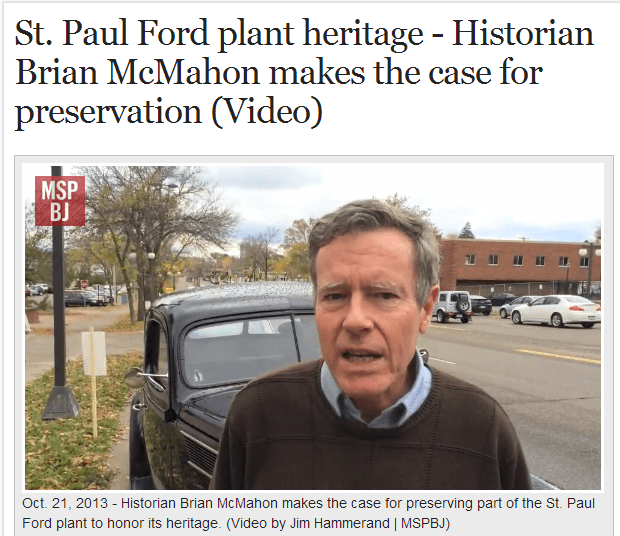
Ford Building at 117 University Avenue, St. Paul, and Ford Twin Cities Assembly Plant, St. Paul The Ford Motor Company built three assembly plants in the Twin Cities. Two plants in St. Paul were demolished after long, acrimonious preservation campaigns. McMahon was the lead researcher for the National Register nomination for the Ford Building on University Avenue and led a ten-year long effort to preserve the building. The state of Minnesota owned the building for fifty years and used it for office space. An extensive campaign to save a portion of the Twin Cities Assembly Plant in St. Paul was also unsuccessful. In Minneapolis, the landmark ten-story building on 5th Street and 5th Avenue was converted to commercial use and renovated in accordance with the Secretary’s Standards. The history of these buildings is extensively covered in McMahon’s book, The Ford Century in Minnesota.

 Brian McMahon Preservation